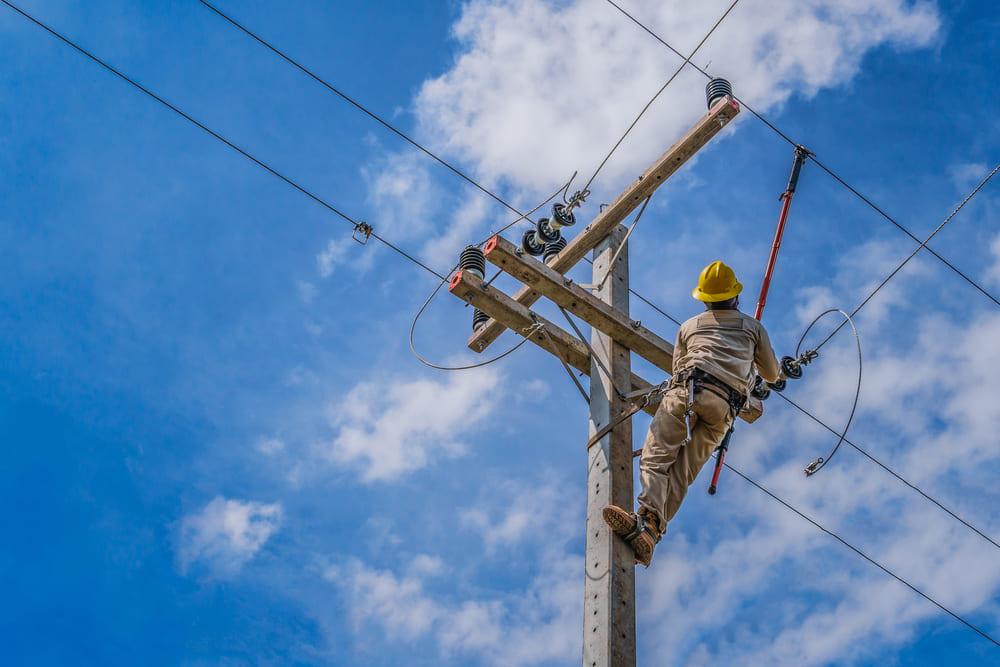
Lone worker safety is a concern for any EHS manager who has employees working on their own, whether that's a maintenance technician inspecting equipment, a delivery driver out on the road, or a security guard working the night shift. Plenty can happen when someone is working alone, and if an incident occurs, getting help isn't always straightforward.
That's why protecting lone workers requires more than providing an emergency alarm or scheduling regular check-ins. Employers also need to consider the risks employees face, the decisions they make when nobody else is around, and the training that can help them stay safe.
What is lone working?
Lone working refers to situations where employees carry out their duties without close or direct supervision and may not have immediate access to assistance.
It's easy to picture someone working in a remote location, but lone workers can be found in almost every industry. A cleaner working after office hours, a healthcare professional visiting patients at home, or a delivery driver making stops along their route can all be considered lone workers.

And working alone doesn't have to be a regular part of someone's job. An employee who usually works alongside colleagues may occasionally find themselves alone during an inspection, an emergency repair, or an evening shift.
What makes these situations different is that when something goes wrong, there may be nobody nearby to notice or provide immediate assistance.
What are the main risks of lone working?
Lone workers face many of the same hazards as everyone else. The difference is that an incident can have more serious consequences when help is delayed. Depending on the job and working environment, there are three main areas of concern.
Physical and environmental hazards
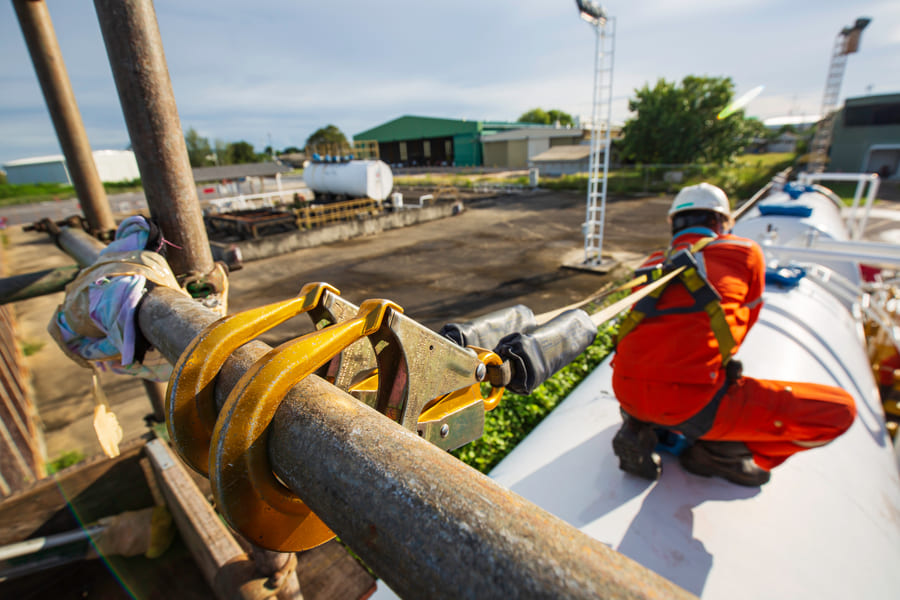
Slips, trips, falls, electrical hazards, machinery, and exposure to dangerous substances are all familiar workplace risks. But imagine a maintenance technician who falls while inspecting equipment in an isolated part of a facility. Without a colleague nearby, it could be some time before anyone realizes something has happened.
The same applies to workers exposed to extreme temperatures, hazardous energy, or dangerous equipment. Even a relatively minor incident can become more serious when assistance isn't readily available.
Personal security and workplace violence
Some lone workers face risks that have little to do with machinery or physical hazards. Employees who handle cash, visit unfamiliar premises, interact with the public, or work late at night may encounter aggression, threats, or violence.
Health, fatigue, and psychological risks
Working alone can also place additional demands on employees. Long shifts, stress, isolation, and fatigue can affect concentration and decision-making, particularly when there's nobody around to notice the warning signs.

A sudden illness or medical emergency is another concern. Without an effective way to raise the alarm, even a situation that would normally be manageable can become serious.
How can employers improve lone worker safety?
There's no single solution that covers every lone working situation. A good lone worker safety program needs to bring together risk assessments, clear procedures, reliable communication, and appropriate training.
Start with a thorough risk assessment
Before assigning someone to work alone, employers need to understand what could go wrong and whether the task can be carried out safely without assistance.
That means looking at the working environment, equipment, potential hazards, and how quickly help could arrive in an emergency.
Some tasks simply shouldn't be performed alone, particularly when they involve high-risk activities or require immediate rescue arrangements. Employers need to consider both their risk assessment and the regulations that apply to the work. And because working conditions change, risk assessments shouldn't be treated as a one-time exercise.
Establish clear communication and emergency procedures
Regular check-ins are one of the simplest ways to keep track of lone workers. But there's more to an effective communication plan than asking employees to confirm that everything is fine.
Workers need to know who to contact, when to check in, and what to do if something unexpected happens. Equally important, someone needs to be responsible for responding when a check-in is missed.
The frequency of these check-ins should depend on the level of risk. Someone carrying out hazardous maintenance in a remote location may require much closer monitoring than an employee performing low-risk administrative work.
Make sure employees know when to stop
One challenge of working alone is that employees often have to make decisions without immediate guidance.
What happens when equipment isn't working as expected? Should the employee attempt a repair, wait for assistance, or stop the task altogether?
If the instructions aren't clear, workers may make assumptions or feel pressured to continue. This is why lone worker safety policies need to define which activities are permitted, when assistance is required, and when work must stop.
Supervisors also have a role to play. Staying in contact isn't just about checking that employees are safe. It's an opportunity to discuss changing conditions, clarify expectations, and make sure workers have the support they need.
What lone worker safety solutions are available?
Technology has made it considerably easier for employers to stay connected with people working alone.
Personal alarms, wearable panic buttons, fall-detection devices, GPS-enabled systems, and two-way radios are among the most common lone worker safety devices.
Mobile safety apps and automated monitoring systems can also provide scheduled check-ins, location sharing, and alerts when an employee doesn't respond.
These solutions can be extremely useful, but they have limitations. Mobile coverage isn't always reliable, batteries run out, and an alarm is only effective if someone is available to respond.
More importantly, monitoring technology generally helps organizations detect incidents and arrange assistance. It doesn't necessarily prevent the incident from happening in the first place.
That's where training and an understanding of human factors become particularly important.
Why do human factors matter in lone worker safety?
When employees work alongside colleagues, they benefit from informal reminders, shared observations, and the occasional warning when something doesn't look right.
Lone workers don't always have that extra pair of eyes. They need to recognize changing hazards and make decisions without someone nearby to question their actions.
And as anyone who's worked a long or frustrating shift knows, our ability to stay focused isn't always consistent.
Recognizing the four states
SafeStart's human factors-based safety training focuses on four states that can increase the likelihood of critical errors: rushing, frustration, fatigue, and complacency.
These states are particularly relevant to lone workers because there may be nobody around to notice when their attention or judgment starts to slip.

Consider a technician struggling with a malfunctioning piece of equipment. After several unsuccessful attempts, frustration builds. The shift is almost over, and there's pressure to finish the job. It's easy to see how rushing and frustration could lead someone to overlook a hazard or take a shortcut they wouldn't normally consider.
Recognizing these states is the first step. But what matters just as much is knowing how to react before they lead to an error.
Developing safer habits when working alone
SafeStart teaches Critical Error Reduction Techniques (CERTs), which help people respond to risky states and reduce the likelihood of four critical errors: eyes not on task, mind not on task, moving into or being in the line of fire, and losing balance, traction, or grip.
Through practice and repetition, these techniques help employees develop safer, more instinctive responses, even when nobody else is around to remind them.
Of course, human factors training doesn't replace equipment safeguards, risk assessments, or emergency procedures. It complements these measures by helping employees recognize and respond to risks before an incident occurs.
Frequently asked questions about lone worker safety
What are five ways to stay safe when working alone?
Assess the hazards before starting, maintain regular communication, use appropriate safety equipment, stay aware of changing conditions, and know how to get help in an emergency.
What are the three main risk categories for lone working?
There isn't a universal three-category classification, but lone working risks can be grouped into physical and environmental hazards, personal security threats, and health or psychological risks.
Which activities should be avoided when working alone?
Activities that require another person under applicable regulations or the employer's risk assessment shouldn't be performed alone. These may include certain confined-space operations, hazardous maintenance tasks, or activities requiring immediate rescue arrangements.
Strengthening lone worker safety with SafeStart
Protecting lone workers means making sure they have the right equipment, clear instructions, reliable communication, and access to assistance when they need it.
But it also means helping them recognize the human factors that can influence their decisions, especially when nobody else is around.
SafeStart helps organizations strengthen their existing safety programs by developing practical skills and safer habits that employees can apply whether they're working alone or alongside colleagues.
Learn how SafeStart's human factors-based safety training can support your lone worker safety program.
Published on 27.10.2026