















A Changing Industry Demands a New Approach to Safety
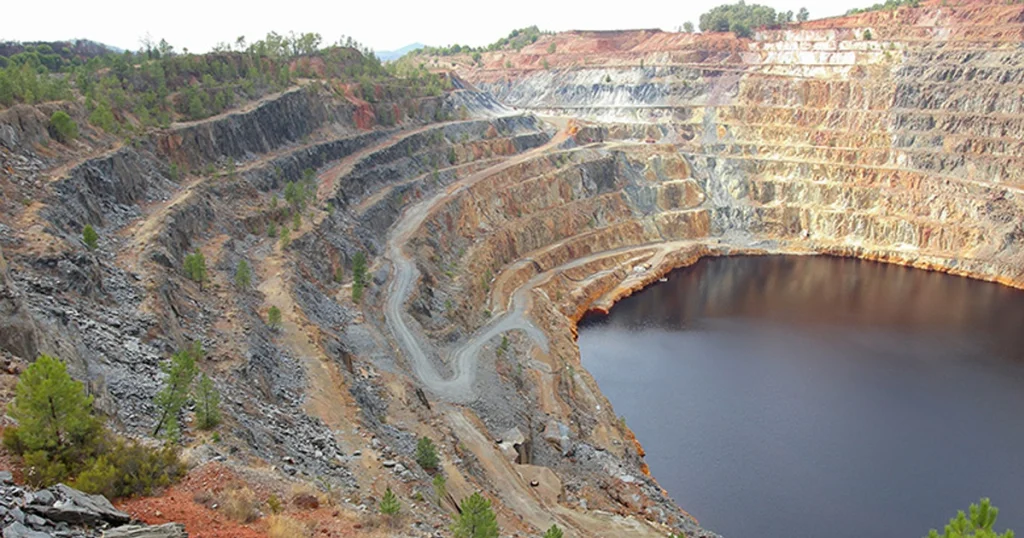
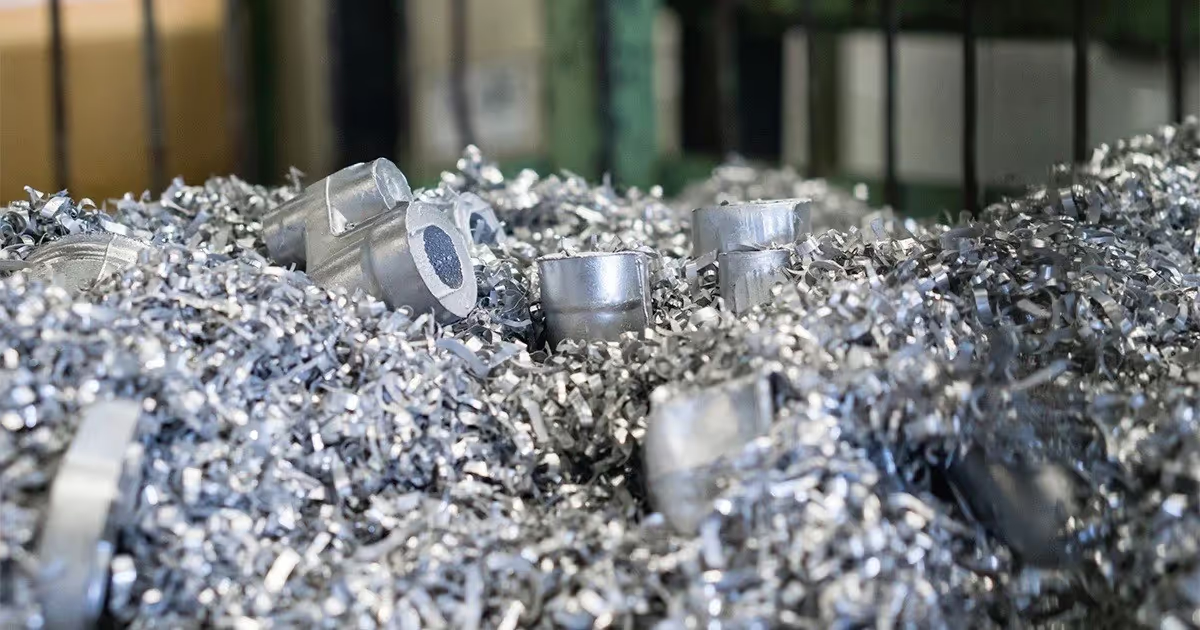
The mineral extraction and refining industry is entering a period of rapid transformation. While traditional mining remains important, today's sector extends far beyond extraction. It includes quarrying, mineral processing, refining, recycling and the production of the critical materials needed for construction, manufacturing and the global energy transition.
In the UK alone, there are more than 2,000 active mines and quarries, supplying aggregates, industrial minerals, building stone and other essential raw materials. At the same time, demand for critical minerals is expected to grow significantly. The World Bank estimates that production of minerals such as graphite, lithium and cobalt could increase by nearly 500% by 2050 to support clean energy technologies. This growth is driving investment in new extraction projects, processing facilities and refining capacity.
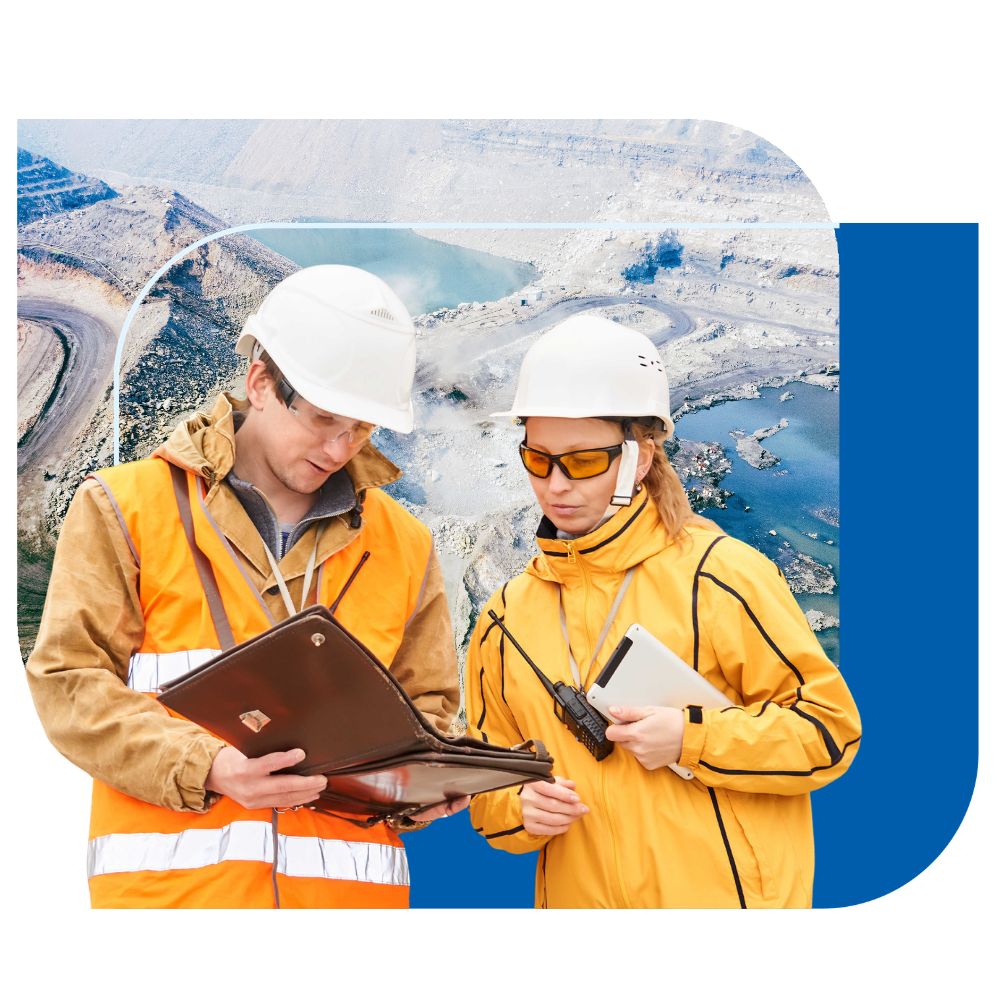
As operations become larger and more technologically advanced, safety challenges continue to evolve. Automation, remote operations and digital monitoring are improving productivity and reducing exposure to hazards. Yet people remain at the centre of every operation. Operators maintain equipment, technicians troubleshoot unexpected issues, contractors carry out shutdown work and supervisors make hundreds of safety-critical decisions every shift.
As the industry evolves, organisations need more than traditional mining safety training. They need to help people recognise and manage the human factors that influence decision making in high-risk environments.
Why Traditional Mining Safety Training Isn't Enough
Most organisations already provide comprehensive mining safety training covering regulations, hazard awareness, operating procedures and technical competence. These programmes are essential and form the foundation of a safe operation. But they cannot prevent every incident.
Research and real-world experience show that up to 90% of workplace accidents involve unintentional human error. In many cases, the underlying cause is not a lack of knowledge or inadequate procedures. It is a moment when someone's physical or emotional state affects their ability to recognise risk and make the right decision.
Rushing to complete a task. Fatigue after a long shift. Frustration when equipment fails. Complacency during routine work. These common human states can reduce attention, cloud judgement and increase the likelihood of critical errors, even among experienced employees who know the job inside out.
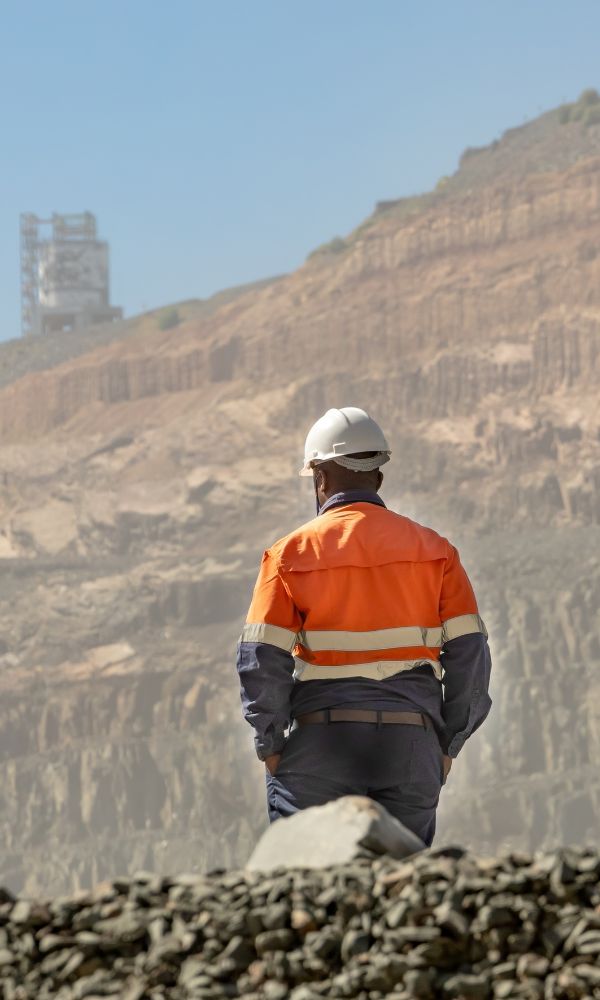
This is particularly relevant in mineral extraction and refining, where people regularly work around heavy mobile equipment, hazardous energy, high-temperature processes and complex production systems. A brief lapse in concentration can have serious consequences.
SafeStart complements your existing mining safety programme by addressing this missing piece. Rather than replacing technical or compliance training, it helps employees recognise the states that increase risk and apply practical techniques to prevent critical errors before they lead to injuries. The result is a workforce that is better equipped to stay focused, make safer decisions and strengthen your organisation's overall safety culture.
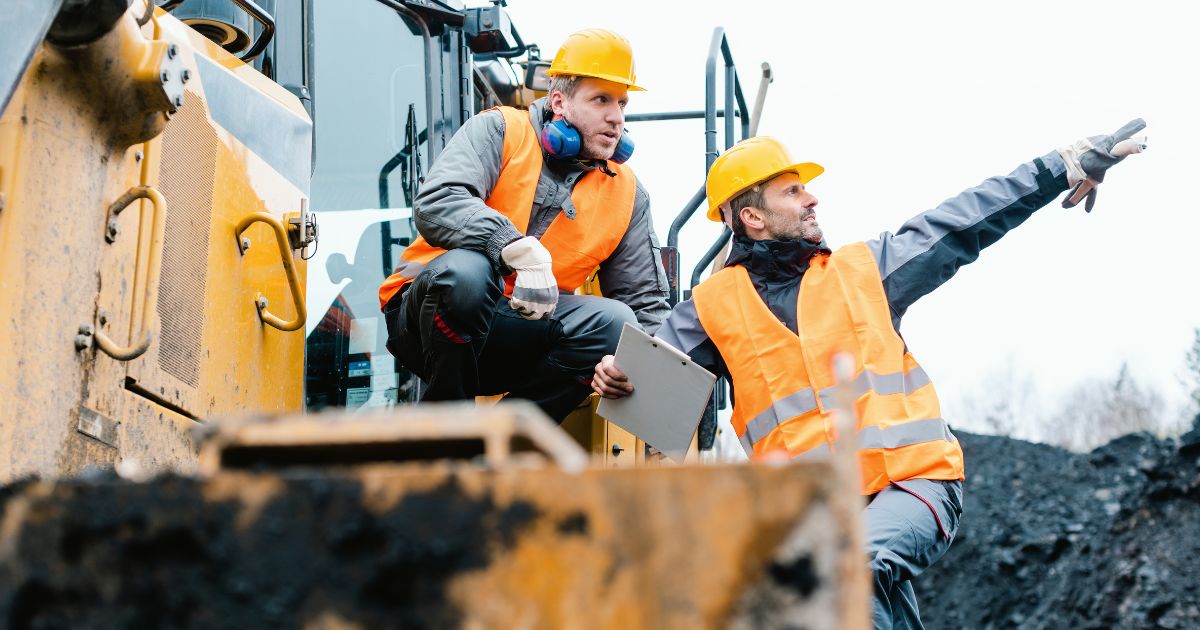
Supporting Every Stage of Mineral Extraction and Refining
From extracting raw materials to processing, refining and transporting finished products, every stage of the mineral production chain depends on people making safe decisions in dynamic, high-risk environments.
SafeStart is designed for organisations operating across:
- Mineral extraction
- Surface and underground operations
- Quarrying
- Crushing and screening
- Mineral processing
- Smelting and refining
- Bulk material handling
- Maintenance shutdowns
- Logistics and transport
Cutting Human Error Across Mining, Processing and Refining
Although each operation has its own hazards, the human factors behind many incidents are remarkably similar. Workers become distracted during routine tasks, rush to restore production, experience fatigue during long shifts or become complacent after performing the same job hundreds of times. These states can lead to critical errors that engineering controls and procedures alone cannot prevent.
SafeStart gives employees practical skills to recognise these high-risk states before they lead to mistakes. Through a common safety language and proven critical error reduction techniques, workers learn how to maintain awareness, improve decision making and reduce the likelihood of incidents during both routine activities and non-routine work such as maintenance shutdowns, equipment troubleshooting and process changeovers.
The Human States Behind Most Mining and Refining Incidents
Because SafeStart focuses on human performance rather than specific job tasks, it integrates seamlessly with your existing safety management system, technical training, Behaviour Based Safety initiatives, and operational procedures. It strengthens what you already do by helping people apply safe behaviours consistently, whether they are operating heavy equipment, maintaining processing plants or working in refining facilities.
The result is a more engaged workforce, stronger safety culture and fewer injuries across every stage of mineral extraction and refining.
Speak to our team to learn how SafeStart can help your organisation build safer habits and reduce human error across your operations.