















Why Health and Safety in the Oil and Gas Industry Requires More Than Compliance
The oil and gas industry has invested heavily in technology, engineering controls and operational excellence. Yet even the most advanced systems rely on people to operate, maintain and manage them safely.
Workers make hundreds of decisions every shift. Most are routine. A few have the potential to prevent an incident, or cause one.
Workers may:
- Enter the line of fire during maintenance activities
- Lose balance, traction or grip while accessing equipment
- Miss hazards because their attention is elsewhere
- Make poor decisions under fatigue or time pressure
- Become complacent during routine work
- Take shortcuts when rushing
Improving safety performance means improving human performance.
SafeStart helps employees strengthen situational awareness, improve decision-making and build habits that reduce the likelihood of critical errors. The result is stronger safety systems, higher workforce engagement and a more resilient safety culture where safe choices become second nature. The result: stronger safety systems, higher workforce engagement and a more resilient safety culture. Safe decision-making becomes a habit, not just a requirement.
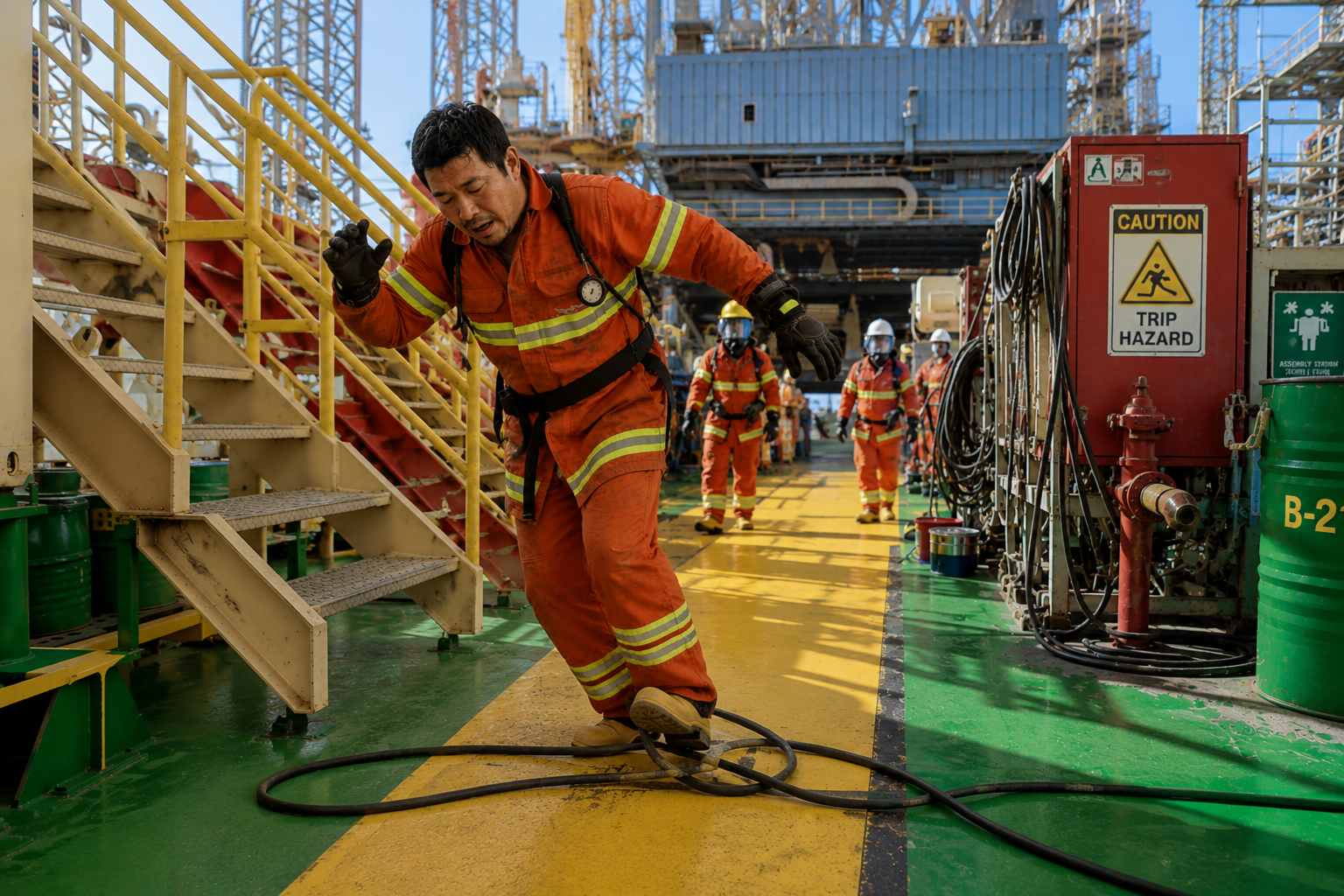
Common Health and Safety Issues in the Oil and Gas Industry
The oil and gas sector presents a unique combination of operational and environmental risks.
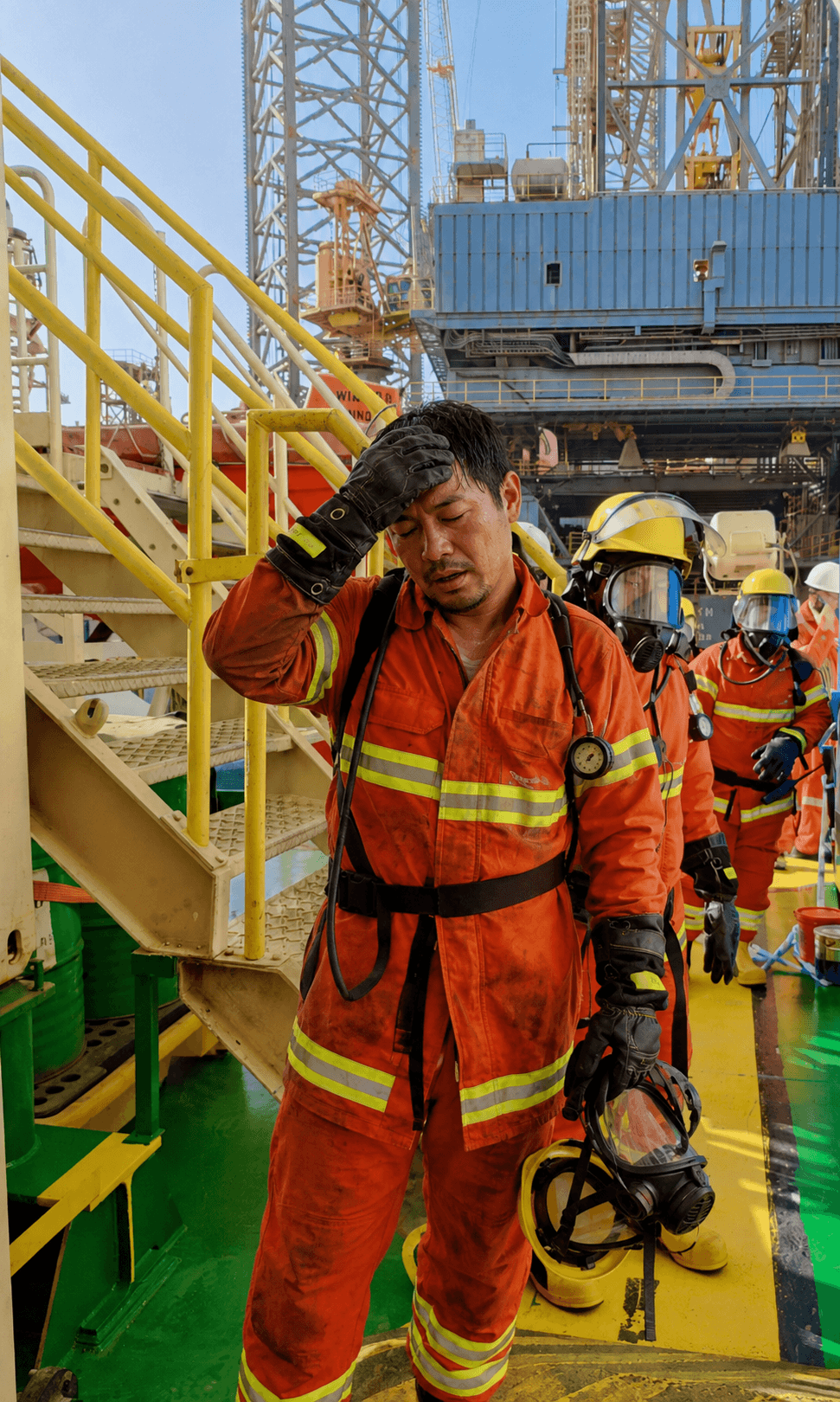
Fatigue
Long shifts, night work, remote locations and demanding schedules can reduce alertness and increase the likelihood of mistakes.
Vehicle and Transportation Incidents
Workers often spend considerable time travelling between facilities, well sites and offshore installations, making transportation one of the most significant exposure risks in the industry.
Line-of-Fire Hazards
Employees work around moving equipment, suspended loads, pressurised systems and heavy machinery. A momentary lapse in attention can have serious consequences.
Confined Spaces
Maintenance and inspection activities often require workers to enter confined spaces where hazards can escalate quickly if procedures are not followed.
Working at Height
Elevated work demands sustained focus, balance and situational awareness throughout.
Complacency
When tasks become routine, workers naturally shift toward automatic behaviour. This reduces awareness of changing conditions and increases exposure to risk.
What Are the Safety Rules in the Oil and Gas Industry?
While specific requirements vary by country and operation, effective oil and gas safety programmes typically cover:
- Hazard identification and risk assessment
- Permit-to-work systems
- Lockout and energy isolation procedures
- Confined space entry controls
- Working at height procedures
- Personal protective equipment (PPE)
- Vehicle and journey management
- Emergency preparedness and response
- Fatigue management
- Competency and safety training
These systems are essential. But procedures work best when workers can apply them consistently under real-world conditions, where distractions, fatigue and time pressure are part of the job.
Building Safer Habits Across Oil and Gas Teams
As a proven behaviour-based safety programme, SafeStart helps workers recognise the states that increase the likelihood of critical errors and gives them practical habits to reduce risk before an incident occurs.
The programme focuses on four common states:
- Rushing
- Frustration
- Fatigue
- Complacency
When these states are present, workers are more likely to:
- Take their eyes off the task
- Allow their minds to wander
- Enter the line of fire
- Lose balance, traction or grip
By recognising these states earlier and developing practical habits to manage them, employees can reduce the likelihood of incidents before they occur.
These skills become valuable not only during high-risk activities but also during routine tasks where complacency and distraction often create hidden risks.
Safety Skills That Work Beyond the Worksite
SafeStart has been implemented in more than 75 countries, in part because the skills employees learn apply far beyond the workplace.
Whether driving home after a shift, carrying out maintenance at home or spending time with family, the same human factors that cause workplace incidents influence everyday decisions too. This personal relevance improves engagement and encourages workers to apply the concepts consistently, which reinforces safer habits over the long term.
As employees become better at recognising risk patterns in daily life, they become more effective at recognising them on the job.
Oil and Gas Safety Training That Drives Long-Term Culture Change
Most safety training focuses on what workers need to know. SafeStart focuses on helping workers consistently apply what they already know, particularly in the moments when risk is highest. By complementing existing safety systems, SafeStart helps oil and gas organisations:
- Reduce injuries and incidents
- Strengthen safety culture
- Improve personal accountability
- Increase employee engagement
- Support human performance initiatives
- Develop long-term safety habits
- Improve operational performance
For organisations looking to strengthen health and safety in the oil and gas industry, addressing human factors may be the missing piece.
Talk to a Safety Specialist
Find out how SafeStart can support your oil and gas operations. Speak with one of our safety specialists today.