.webp)
What Is Behavioural Safety?
Behavioural safety focuses on the actions people take at work and how those actions influence risk.
A simple behavioural safety definition is:
A structured approach to improving safety by identifying, observing and reinforcing critical safety behaviours.
In the workplace, this means making safe behaviour visible. It involves defining what “safe” looks like, carrying out behaviour-based safety observations, and providing feedback that encourages safer choices.
Behavioural safety supports existing legal duties. It does not replace risk assessments, engineering controls or safe systems of work. Instead, it strengthens how people apply them in everyday conditions.
If someone were to ask “What is behavioural safety in the workplace?” the answer is straightforward. It's about ensuring that safe behaviour becomes consistent, not occasional.
What Is Behaviour-Based Safety (BBS)?
Behaviour-based safety, often referred to as BBS, is the practical framework used to implement behavioural safety.
A typical BBS programme includes:
- Identifying critical behaviours linked to major risks
- Creating observation checklists
- Carrying out BBS observations
- Giving constructive feedback
- Reviewing trends over time
BBS training helps supervisors and teams understand how to observe and reinforce safe behaviour positively.
However, traditional BBS programmes have sometimes been criticised for focusing too narrowly on worker actions without fully addressing workload, culture or system design. Modern behaviour-based safety management recognises that behaviour must be viewed in context.
Behaviour matters. But it is influenced by conditions. This is where the broader picture becomes important.
The Behaviour-Based Safety Process: Key Steps
The behaviour-based safety process follows a clear structure. Different organisations describe it differently, but most BBS programmes include the same core steps.
- First, identify the critical safety behaviours linked to your main risks.
- Then define clearly what safe and unsafe behaviour looks like in practical terms.
- Involve employees in building observation checklists so expectations are shared.
- Carry out regular behaviour-based safety observations.
- Provide immediate, constructive feedback with a focus on reinforcement.
- Review observation data to identify patterns.
- Finally, address any underlying system issues that are influencing behaviour.
These seven steps in the behaviour-based safety process must sit on top of legal duties, risk assessments and the hierarchy of controls. BBS observations are about learning and improvement, not discipline.
When implemented properly, the BBS process strengthens culture and trust rather than creating fear.
Principles of Behavioural Safety & Golden Rules
The principles of behavioural safety are simple but important.
- Safe systems and engineering controls come first.
- Behavioural safety supports them, it does not replace them.
- Reinforce positive behaviour rather than focusing only on mistakes.
- Involve workers and safety representatives in shaping the programme.
- Use observation data to improve both behaviours and systems.
- Make safe behaviour the easy choice through good design and human factors thinking.
These principles translate into practical golden safety rules: protect people through design, reinforce safe habits consistently, and learn from what you observe. Behavioural safety works best when it builds habits and ownership, not fear or blame.
The Three Pillars of Workplace Safety
Workplace safety stands on three connected pillars.

1. Rules and Regulations
This is the foundation. Compliance with legal requirements, risk management, engineering controls, consultation and structured safety management systems. These reduce hazards and create safe systems of work.
2. Behaviour-Based Safety
This pillar focuses on observable safety behaviours. Through BBS observations and feedback, organisations reinforce safe actions and improve accountability. It strengthens culture and encourages conscious safety choices.
3. Skills and Habit-Based Safety
This pillar focuses on what happens in the moment.
Not just whether someone knows the rule. Not just whether behaviour is observed. But whether they have built the reflexes and habits to prevent errors they never intended to make.
Most safety management systems focus heavily on the first pillar and increasingly on the second. They manage risk before incidents and review behaviour after incidents.
But what about the split second when the unexpected happens? That is where human error occurs.
Behavioural Safety in the Workplace: Practical Examples
Behavioural safety examples are easy to spot.
A team working at height agrees on key safe behaviours and observes each other regularly. A driver pauses briefly before starting a shift to check focus and readiness. A supervisor reinforces positive safety behaviour during daily briefings.
These are examples of safety behaviours being made visible and reinforced.
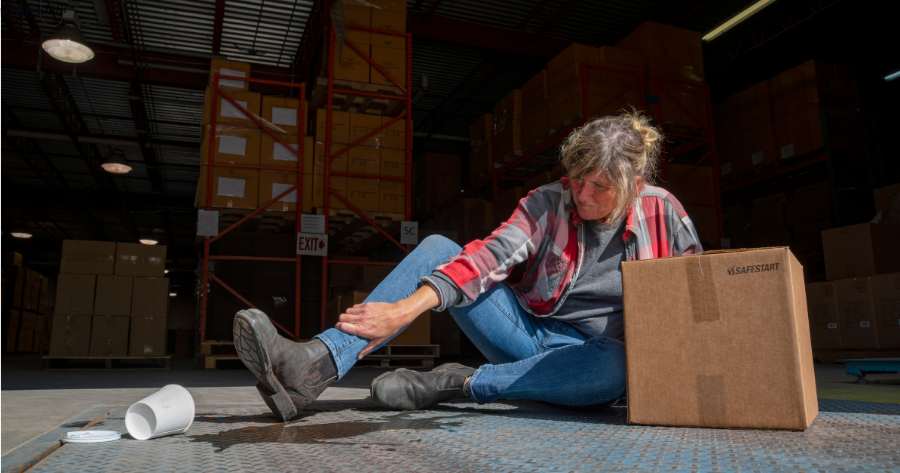
But even with good BBS observations and strong compliance, people can still make mistakes. A rushed decision. A moment of distraction. A lapse in attention. That is not a failure of rules. It is human.
From Behaviour to Habit
Behavioural safety is a critical pillar of modern safety management. But observation and reinforcement alone are not enough. Lasting performance happens when safe behaviour becomes automatic.
This is where SafeStart fits.
SafeStart operates within the third pillar of workplace safety: skill and habit-based safety. It does not replace compliance. It does not replace Behaviour-Based Safety. It strengthens both.
The main goal of SafeStart is simple. Help people prevent errors and mistakes they never intended to make in the first place. Rather than focusing only on rules or observed behaviours, SafeStart addresses the human factors that influence behaviour in real time. It helps individuals recognise their emotional and physicall states (like rushing, frustration) are affecting attention. It builds practical safety reflexes that work when the unexpected happens.
When safe behaviour becomes a habit, the entire system becomes more resilient.
If you are reviewing your behavioural safety programme or exploring behaviour-based safety training, the real question is not whether BBS works. It is how you strengthen it.
Speak to a SafeStart specialist to explore how human-focused, skill-based training reduces preventable errors — or see how SafeStart is applied across industries.