Imagine you're waiting at a red light. Your car is stationary, your attention is on the traffic ahead, and everything seems normal. But what about the vehicle approaching from behind? If the driver fails to stop, you're directly in its path, even though you haven't done anything wrong.
.jpg)
A similar situation can occur when crossing a street, walking beneath an unsecured object or standing near a forklift in a warehouse. In each case, the danger depends partly on where you are positioned in relation to something that could move, fall or release energy.
These are examples of line of fire hazards, a concept often associated with industrial safety but equally relevant to everyday life. And while some situations are easy to recognise, others are so familiar that we barely give them a second thought.
What is a line of fire hazard?
A line of fire hazard exists when a person is positioned where hazardous energy could reach them and cause injury. This may involve a moving object, a falling load, machinery, stored pressure or another source of energy that could be released unexpectedly.
A useful question to ask yourself is: If something moves, falls, breaks or releases energy, could it reach me where I'm standing?
It sounds straightforward, but how often do we actually consider this during an ordinary working day?
Understanding the line of fire in everyday situations
Picture a worker standing behind a reversing vehicle. The vehicle has kinetic energy, and if it continues moving, the worker is directly in its path. Now picture a pedestrian stepping into the road while checking their phone, without noticing a cyclist approaching.
Different situations, same underlying problem: someone is in the path of potential harm.

And sometimes the hazard isn't moving at all. A person can enter the line of fire themselves by placing a hand near rotating machinery, walking into the path of a vehicle or moving too close to equipment that could suddenly release stored energy.
That's worth remembering because we tend to look for danger coming towards us, even though our own movement can create the exposure.
How line of fire differs from other workplace hazards
Line of fire is closely connected to the concept of hazardous energy. A machine, moving vehicle or pressurised system can contain energy capable of causing harm, while a line of fire situation develops when someone is positioned where that energy could reach them.
Take a compressed air system. Even when the equipment is switched off, pressure may remain trapped inside. If a fitting fails, a component could be propelled towards someone standing nearby.
Our article on hazardous energy and how hidden energy puts workers at risk explains how different forms of energy can remain present during normal operations, maintenance and equipment shutdowns.
Common examples of line of fire hazards
Line of fire hazards aren't limited to industrial environments. They can occur on the road, at home or during everyday activities. Anyone who's seen Final Destination 2 might still feel a little uneasy driving behind a logging truck.
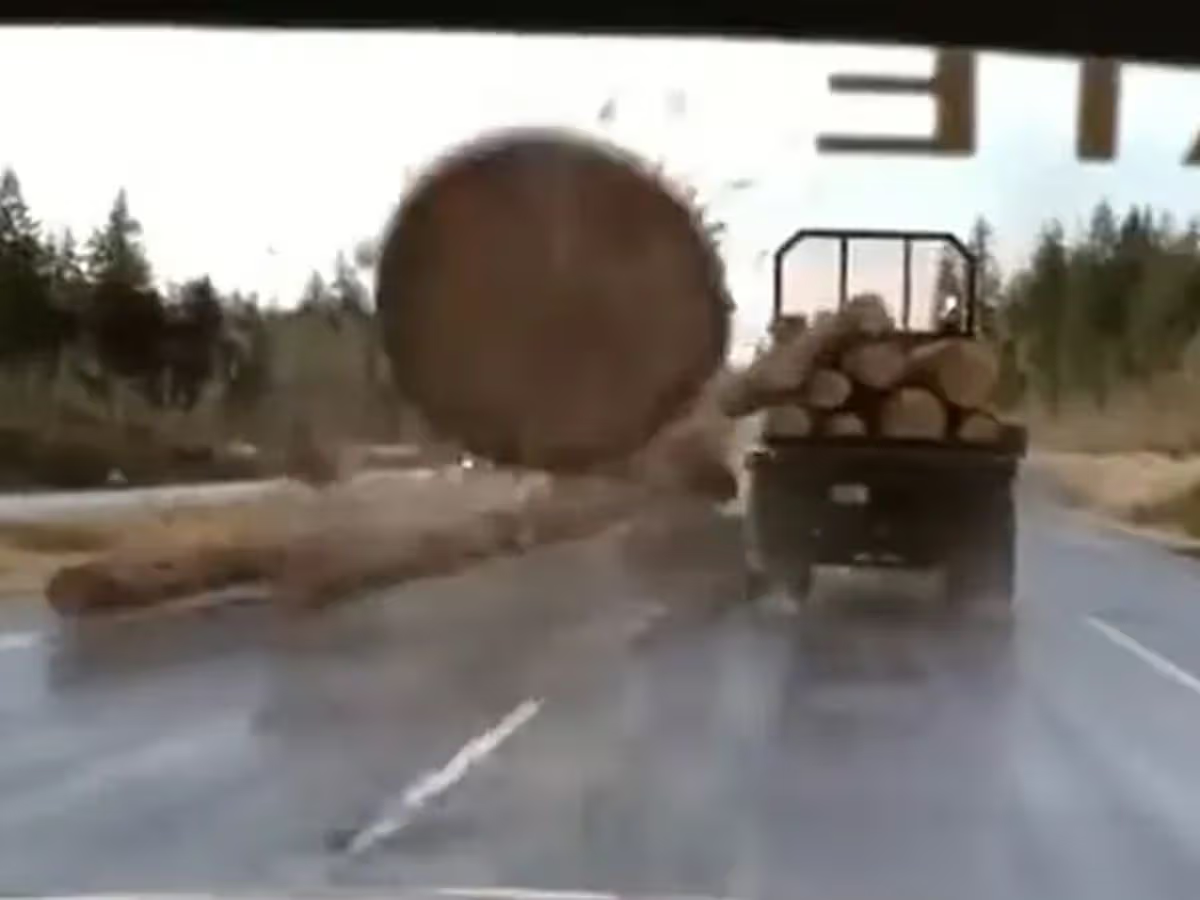
Hollywood exaggeration aside, there's a good reason to be aware of what's in front of you, especially when something could move, fall or break loose unexpectedly.
In the workplace, line of fire exposure can take many forms:
- Moving vehicles or equipment: Standing in the path of a reversing forklift or moving machinery.
- Suspended loads: Working or walking beneath loads being lifted or transported.
- Falling or shifting objects: Standing near unstable materials or unsecured equipment.
- Objects under tension: Being in the path of a cable, strap or spring that could suddenly recoil.
- Moving machinery components: Placing hands or other body parts near rotating, cutting or crushing mechanisms.
- Pressurised systems: Being exposed to a sudden release of compressed air, hydraulic fluid or other stored energy.
In each case, the risk depends on where a person is positioned relative to the potential movement or release of hazardous energy.
%20(1).jpg)
Why line of fire incidents remain so prevalent
Most people working in industrial environments already know that forklifts and pedestrians don't mix particularly well, that suspended loads are dangerous and that machinery needs guarding.
So why do line of fire incidents still happen?
Part of the explanation is that knowing a hazard exists doesn't mean we'll recognise every moment when we're exposed to it. Workplaces change throughout the day, equipment moves, priorities shift and people adjust how they work.
What workplace injury statistics tell us
Data from Great Britain illustrates the importance of these risks.
According to the UK Health and Safety Executive (HSE), during the five-year period from 2020/21 to 2024/25, being struck by a moving object and being struck by a moving vehicle each accounted for an average of 21 worker fatalities annually. Together, these two categories represented approximately 30% of fatal workplace injuries over that period.
And fatal injuries are only part of the picture. In 2024/25, being struck by a moving object accounted for 10% of non-fatal employee injuries reported under RIDDOR in Great Britain.
These figures don't capture every possible line of fire scenario, but they do show why exposure to moving objects and equipment deserves particular attention.
Why people end up in the line of fire
Even when hazards are well understood, people can become comfortable working around them. A warehouse worker may regularly walk behind moving equipment without incident, while a technician might have adjusted the same machine hundreds of times.
Over time, these experiences can create a false sense of security. Close calls are particularly important because escaping injury doesn't necessarily mean the situation was safe.
The four critical states that increase exposure
SafeStart identifies four states that can increase the likelihood of critical errors, including moving into or being in the line of fire:
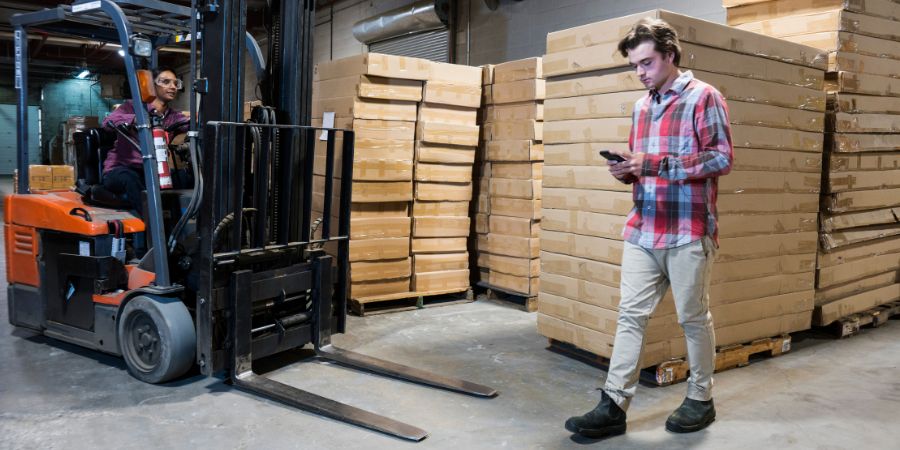
- Rushing: Time pressure can lead workers to take shortcuts or overlook positioning checks, such as crossing an active forklift route.
- Frustration: When equipment fails or a task becomes difficult, attention can become so focused on solving the problem that nearby hazards are overlooked.
- Fatigue: Reduced alertness can make it harder to notice approaching vehicles or anticipate equipment movement.
- Complacency: Familiar tasks may receive less conscious attention, even when the hazards remain unchanged.
These states can contribute to incidents, but workplace conditions, equipment design and existing safeguards also play an important role.
How SafeStart helps reduce line of fire risks
You can't expect someone to consciously assess every possible hazard throughout an entire working day. There are simply too many decisions, movements and distractions competing for attention.
That's why habits matter.
Developed by Larry Wilson, SafeStart focuses on how rushing, frustration, fatigue and complacency can contribute to four critical errors: eyes not on task, mind not on task, moving into or being in the line of fire, and losing balance, traction or grip.
Through its Critical Error Reduction Techniques, SafeStart helps people recognise these patterns, learn from close calls and develop habits that make them more likely to notice exposure before something goes wrong.
One practical example is learning to move your eyes before moving your body. It's a simple habit, but one that can help people notice approaching vehicles, moving equipment or other hazards before stepping into their path.
SafeStart has trained millions of people worldwide, helping organisations strengthen safety awareness alongside their existing risk management systems.
Want to help your teams recognise line of fire hazards before they lead to injuries? Explore how SafeStart can support your organisation's approach to human factors and injury prevention.
.jpg)
Published on 08.10.2026

.jpg)