
General Resources
Blog
Our blog is a flexible platform for exchanging knowledge and experiences with SafeStart specialists from all over the world. Check out the latest blog entries right here.


A practical look at workplace wellbeing, why working conditions matter, and how human factors can support safer, healthier teams.
.jpg)
Hazardous energy can increase both the likelihood and severity of workplace incidents. Learn how effective isolation, LOTO and human factors training work together to help protect workers.
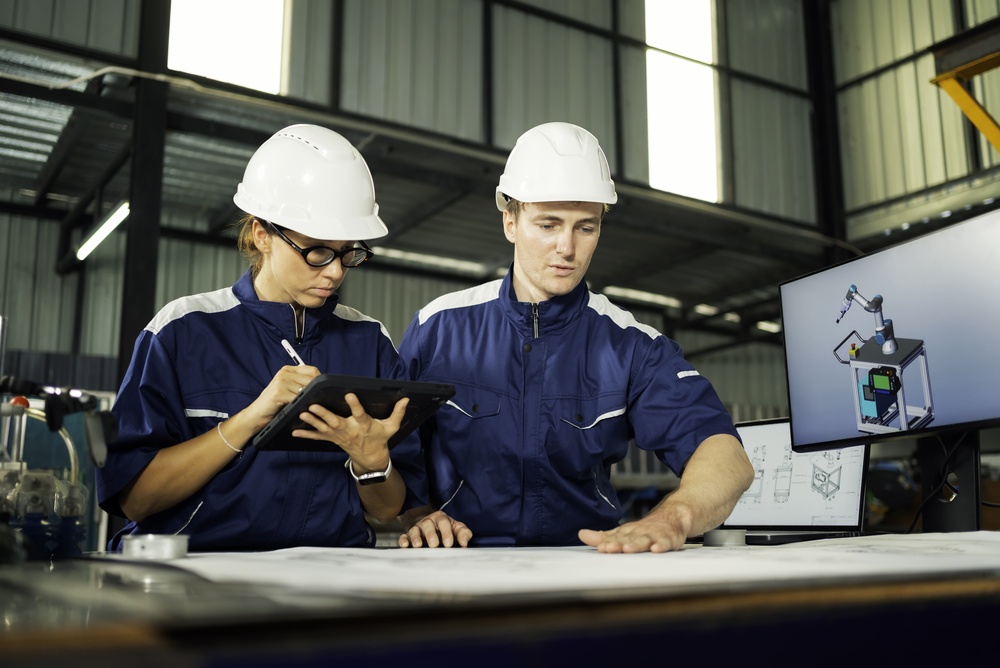
How HOP helps organisations learn from human error, improve the conditions around work and give people practical skills to manage risk more effectively.
%20(1).jpg)
Why do experienced people still make mistakes at work? Explore the human factors behind everyday errors and how building safer habits can help prevent injuries.
%20(1).jpg)
Why can serious injuries and fatalities persist even as overall injury rates improve? Explore how SIF potential, hazardous energy and human factors can reveal risks that traditional safety metrics may miss.
%20(1).jpg)
Occupational health assessments help employers understand how an employee's health may affect their ability to work safely. But lasting safety requires more than a one-time assessment. Learn what an occupational health assessment involves, when it's used, and how human factors help employees make safer decisions every day.

Returning to work after a holiday isn't always as energising as we'd like. Learn why post-holiday fatigue is so common, how it can affect workplace safety, and practical ways to ease the transition back.
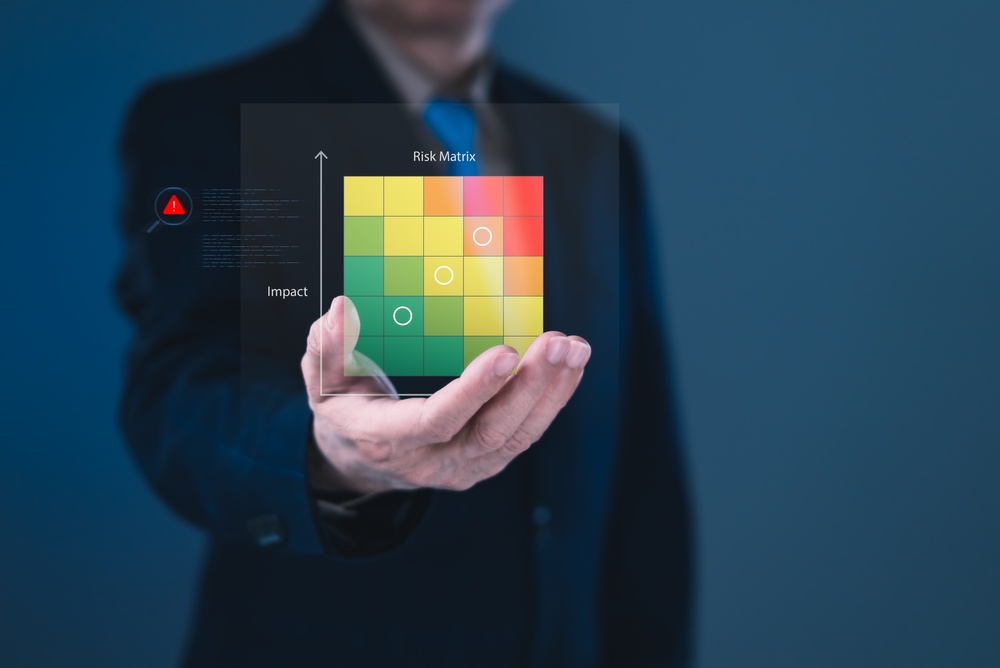
Risk matrices are a cornerstone of workplace safety. This guide explains how they work, their limitations and how to strengthen risk assessment by considering human performance.
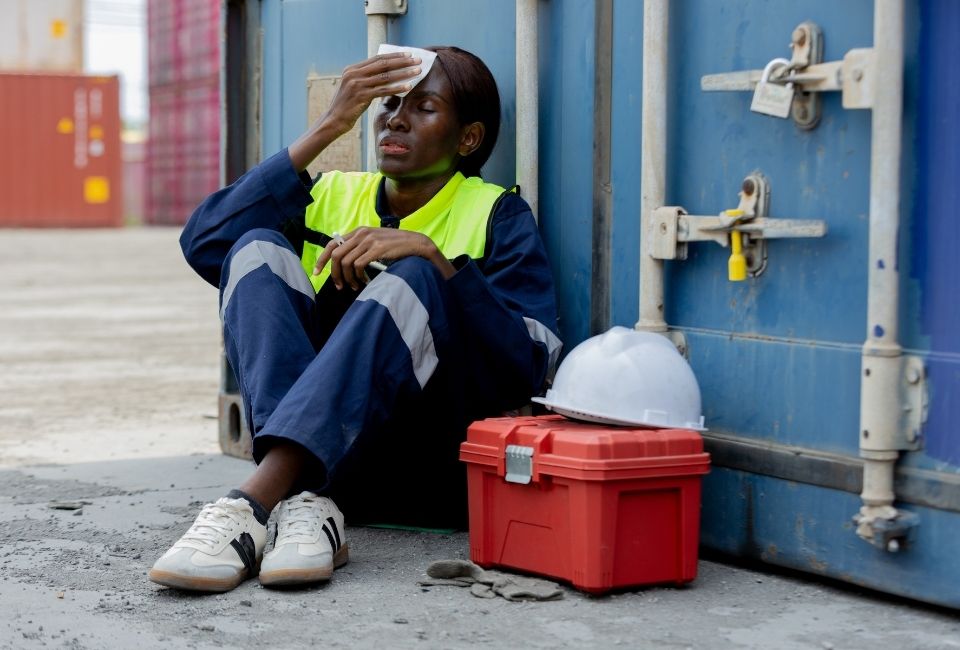
As Europe faces another intense heatwave, heat stress is becoming an increasing concern for employers and workers alike. This article explains the symptoms and stages of heat stress, explores how extreme heat can affect decision-making and safety, and shares practical ways to reduce risk in the workplace.
.jpg)
Are near misses just luck in disguise? This article explores how the line between a close call and an accident is often thinner than we think, shaped by timing, human factors, and a bit of luck.
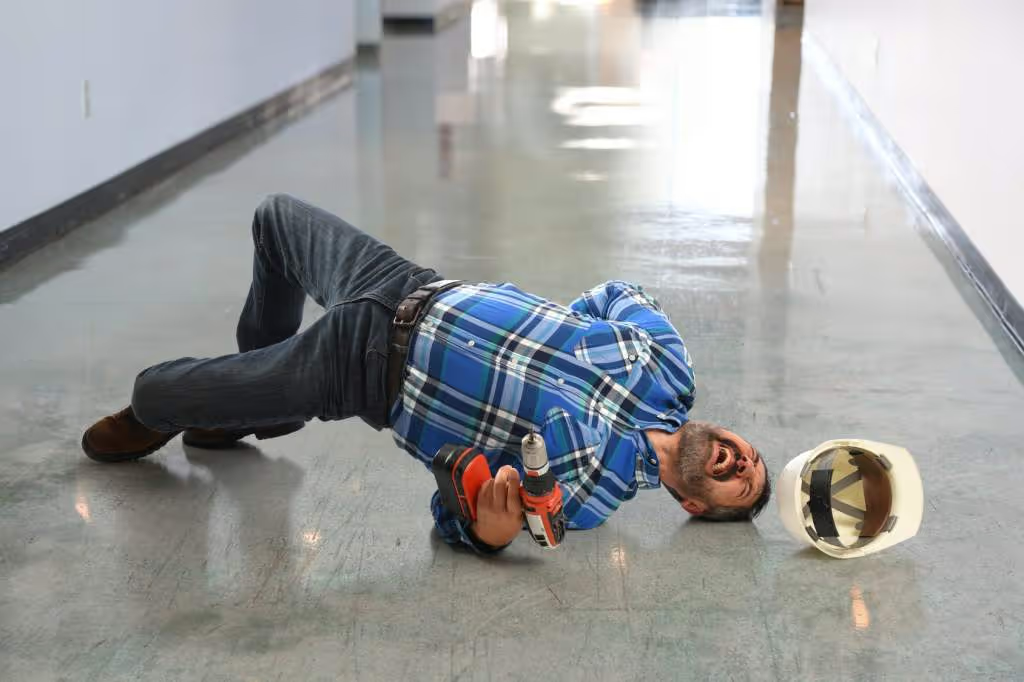
Slips, trips and falls are among the most common accidents at work. To pave the way for a safer working environment, it is worthy to have a look at the very causes of work-related accidents.

Why do companies still face a gap between reported incidents and serious or fatal accidents? This article explores root causes tied to priorities, reporting systems, and human factors.