
After weeks of looking forward to a holiday, it's easy to assume you'll come back feeling completely refreshed. For many people, though, the opposite happens.
The alarm clock feels earlier than ever, your inbox is overflowing, and there's a long list of things you suddenly feel behind on. And if you stayed up a little too late watching the World Cup because it was only one more match, you're certainly not alone.
Feeling a little slower after time off is surprisingly common. Holidays change our routines. We sleep differently, travel, spend more time with family and often try to squeeze as much as possible into a limited number of days. Even a relaxing holiday can leave us needing a few days to readjust.
But in workplaces where people drive vehicles, operate machinery, work at height, make critical decisions or rely on each other to stay safe, even a temporary drop in alertness deserves attention. The good news is that post-holiday fatigue is usually short-lived, and understanding how it affects attention and decision-making can help make those first few days back safer and less stressful.
What Is Post-Holiday Fatigue?
Post-holiday fatigue is the physical and mental tiredness many people experience after returning from a holiday or extended break. It doesn't mean your holiday wasn't enjoyable. It's simply the result of your body and mind adjusting after changes in sleep, routine, travel and daily habits. Returning to work requires sustained attention again, and that transition often takes more effort than we realise. For most people it passes within a few days. In safety-critical work, however, even a temporary drop in alertness can have real consequences.

Why Holidays Don't Always Leave Us Feeling Rested
People often ask why they're so tired after being on holiday, and there are plenty of reasons. Whether you travelled long distances, entertained children, attended family gatherings or simply packed too much into each day, holidays don't always provide the recovery we expect. Later nights, different eating habits, dehydration, travel and disrupted sleep all make it harder to slip straight back into work mode.
Even relaxing holidays tend to involve later bedtimes, different eating habits, more social activity, less consistent sleep, dehydration from travel or hot weather, alcohol and long days outdoors. Then comes the sudden contrast. One day you're deciding which beach to visit or which restaurant to try, and the next you're sitting in meetings, catching up on hundreds of emails and trying to remember exactly where you left off before the break. Your body may be back at work, but your brain is often still catching up.
Why Returning to Work Feels More Tiring Than Being at Home
Have you noticed that you feel reasonably energetic at home but suddenly exhausted once you're back at work? That's because work places far greater demands on your brain than downtime does. Even desk-based roles require continuous attention, memory, planning, communication and decision-making, and in operational environments those demands run higher still. Workers may need to monitor equipment, follow detailed procedures, recognise hazards, communicate clearly and make quick decisions throughout the day.
Fatigue tends to become noticeable when a task requires sustained attention, not when the environment is relaxed, which is why someone can feel perfectly fine unpacking their suitcase on Sunday evening but struggle to concentrate during Monday morning's safety briefing.
The Hidden Risk Isn't Feeling Tired. It's What Tiredness Changes.
Most people don't make dramatically poor decisions simply because they're a little tired. Instead, fatigue quietly changes how we perform.
We read the same email twice. Forget familiar steps. Assume we've checked something when we haven't. Become impatient because we're trying to catch up.
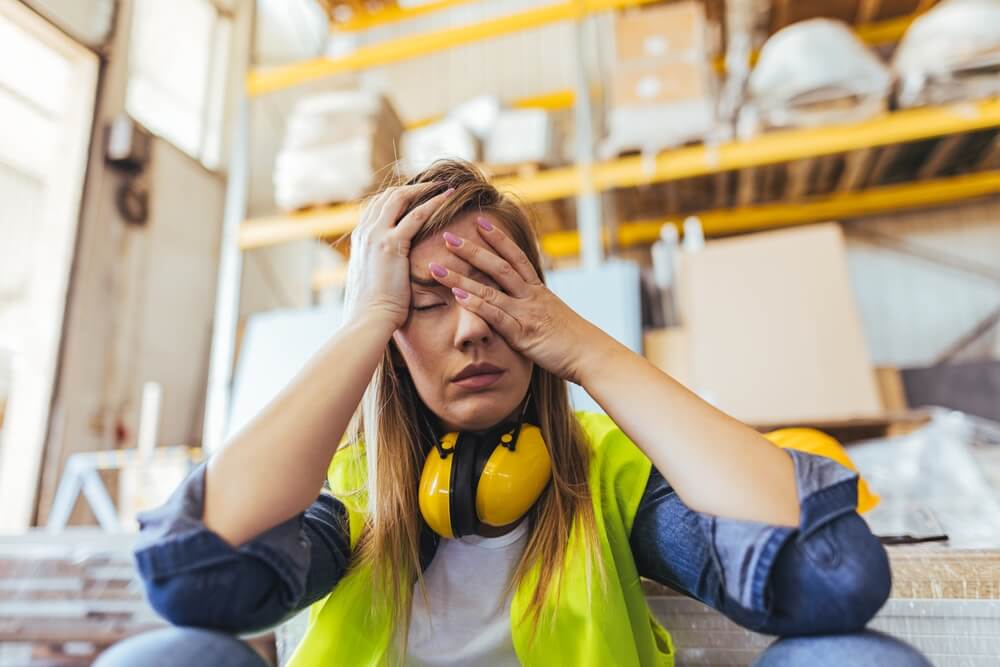
Individually, these seem insignificant. Together, they increase the chance of errors. Fatigue slows reaction time, affects memory and reduces our ability to recognise changing situations. The risk isn't simply being tired. It's forgetting that we're tired.
Why the First Few Days Back Matter
Returning to work often creates the perfect conditions for mistakes. There are projects waiting, deadlines to meet and plenty to catch up on. It's understandable to want to get back up to speed quickly, but that pressure can lead people to rush. When we rush, we're more likely to skip checks, rely on memory instead of procedures or push through tiredness without recognising its effects.
For supervisors, the first few shifts after a holiday period can be a good time for brief check-ins, refresher conversations and making sure everyone's had a chance to reorient themselves before tackling higher-risk work.
Fatigue Rarely Works Alone
Part of why fatigue deserves attention is that it rarely shows up on its own. It tends to combine with other human factors that raise the likelihood of error.
- Rushing. Many people come back determined to clear every email, finish delayed work and prove they're fully back on form, and that sense of urgency can lead to shortcuts or skipped checks.
- Frustration. Technology problems, unexpected changes, delays, or finding that someone handled your work differently while you were away: small frustrations like these can narrow our attention and make us more likely to force a task through rather than stepping back.
- Fatigue. The obvious one. Reduced alertness, slower reactions and reduced concentration all make errors more likely.
- Complacency. Returning to familiar work can create a false sense of confidence: I've done this a thousand times, so what's the risk? Perhaps, but after time away, it often takes a little while for attention and routine to properly reconnect.
These human factors are also an important part of behavior-based safety (BBS). Traditional BBS helps reinforce safe behaviours through observation and feedback. SafeStart complements that approach by helping people recognise the states that make unintentional errors more likely before those behaviours occur.
Is It Normal to Feel This Way?
Yes. Mild post-holiday fatigue is completely normal, and most people feel back to themselves within a few days to a week as sleep, routine and workload settle back down. That said, if fatigue drags on for more than two weeks, gets worse rather than better, or comes with symptoms like dizziness, shortness of breath or persistent brain fog, it's worth getting advice from a healthcare professional.
Managers don't need to diagnose fatigue. What they can do is build an environment where people feel comfortable saying they're tired before that tiredness has a chance to contribute to an incident.
Practical Ways to Ease the Transition Back to Work
You can't eliminate post-holiday fatigue entirely, but you can make the transition easier.
For individuals:
- Return home with enough time to recover before going back to work, if possible.
- Get back to your normal sleep schedule as quickly as you can.
- Stay hydrated after travelling.
- Don't expect to clear every backlog on your first day.
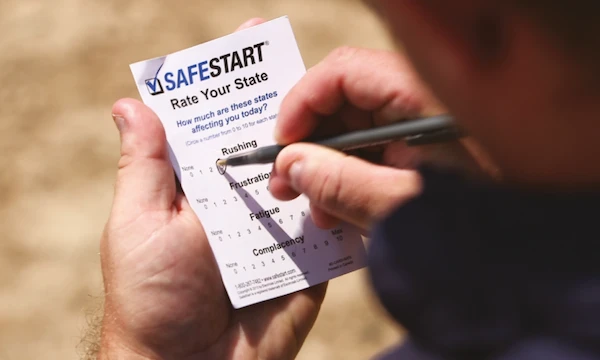
- Take a moment to check in with yourself before starting important tasks. At SafeStart, we call this "Rate Your State." Ask yourself whether you're feeling rushed, frustrated, fatigued or complacent. Simply recognising your state can help you slow down, refocus and make better decisions.
- Double-check important tasks instead of relying on memory.
- Take regular breaks if you notice your concentration slipping.
For leaders and supervisors:
- Recognise that the first few days back are a transition period.
- Hold short pre-shift briefings to refocus attention.
- Encourage people to speak up if they're feeling fatigued.
- Avoid unnecessary overtime immediately after long holiday periods where possible.
- Prioritise high-risk work carefully.
- Reinforce critical procedures before complex tasks begin.
Small adjustments like these can make a real difference during a period when attention is naturally still catching up.
Building Awareness Beyond the Holiday Period
While post-holiday fatigue usually passes quickly, fatigue itself stays one of the most common human factors influencing performance all year round. Whether it's caused by travel, shift work, long hours, family responsibilities or poor sleep, fatigue can quietly affect attention, judgement and decision-making long before someone feels genuinely incapable of doing their job.
That's why understanding fatigue matters well beyond just getting through the first week back. It's about recognising one of the conditions that raises the likelihood of human error, every day, not just after a holiday.
If you'd like to explore this topic further, download our free guide, The Effects of Fatigue in the Workplace, which explains how fatigue influences human performance and shares practical strategies for reducing fatigue-related errors across your organisation.
Published on 31.07.2026
.jpg)

%20(1).jpg)